Elementary Pilot and Club Pilot: from first hop to flying solo
How BHPA school training works for paragliding, from the Elementary Pilot award to the Club Pilot (Novice) rating.
In this guide
- What it is: Your school training. Elementary Pilot (EP) is the progress award. Club Pilot (Novice) (CP) is your first rating.
- What you need first: Training at a BHPA registered school, where you'll be asked to take out BHPA membership. You must be at least 14 to fly solo or hold a rating, and many schools set their own higher limit, often around 16.
- What you'll learn: Ground handling, take-offs and landings, then higher flights and turns, plus some theory and a simple exam paper.
- How long it takes: It depends on your wing, launch method and the weather. The BHPA says a few days of practice should see you well on the way to EP.
- Cost: EP plus CP usually costs £1,250 to £1,700, with BHPA membership extra. The BHPA charges £20 for the CP rating.
- What's next: Pilot track: Pilot rating. Coaching track, once you have CP plus logged hours: Club Coach.
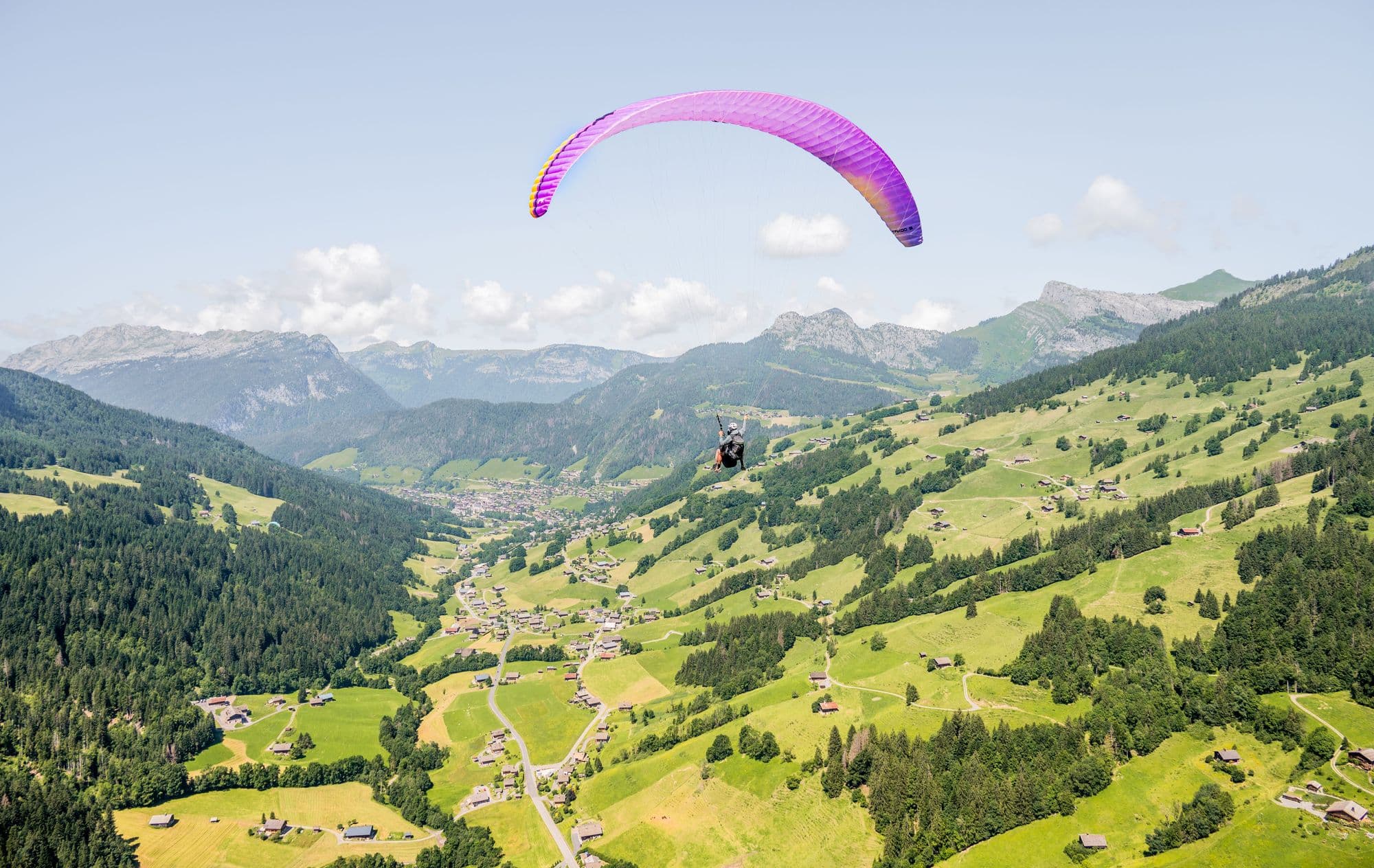
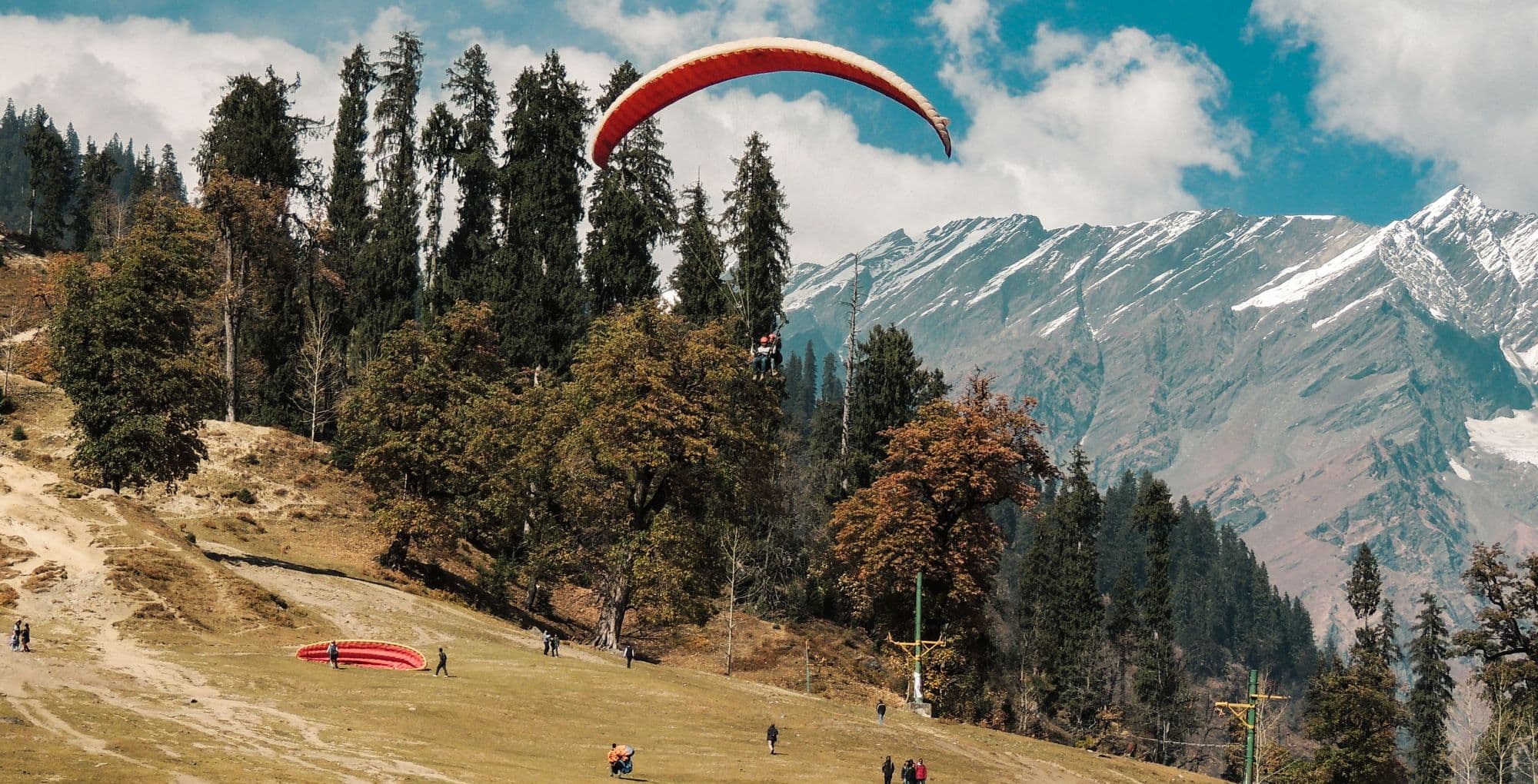
Your first flights are in a straight line, just a few feet off the ground. Then your instructor moves you further up the hill, and that extra height is where you learn to turn.
Elementary Pilot (EP)
Your school awards it during training. It marks the end of the introductory stage and shows you're ready for more school training. Wear a red ribbon from EP onwards.
Club Pilot (Novice) (CP)
- It marks the end of formal instruction.
- It qualifies you to leave the school and fly without instruction in BHPA member clubs.
- You're still learning, so get advice from club coaches.
- You can take off the red ribbon at CP plus 10 hours logged flying time.
The detailed EP and CP tasks are in the BHPA Student Training Record books. Your school gives you these, and they aren't published online.
Hill or tow
You train either on a hill or with a winch tow, and your CP records that environment. Tow training takes less time. You can add the other later with an environment course:
- PG tow to hill: you need CP (Tow).
- PG hill to tow: you need CP (Hill) and at least 10 logged flying hours, then at least 10 flights.
Membership while you train
- Taster day: BHPA One Day Introductory Membership, £33 (£5 if you're under 21). It's only valid on the day it's issued.
- EP or EP plus CP course: Trial Membership, £120 for 3 months, or Annual Flying Membership, £192 plus a £35 joining fee.
These are the BHPA's fees from 1 April 2026. Membership includes £5 million third-party insurance, but not personal accident cover.
Shared with hang gliding?
No. The BHPA says hang gliding, paragliding and parascending are distinct, and ratings only apply to the class you earned them on. There are no short-cut conversion courses. The only concession is that you don't re-sit Pilot or Advanced Pilot exams you've already passed.
Source: Pilot Rating Scheme, Learn to Fly, Registered Schools, BHPA Fees and Technical Manual (Amendment 24), BHPA, checked October 2026.
Governing body: British Hang Gliding and Paragliding Association (BHPA). It sets the UK safety standards and training awards for paragliding, so it's the official place to find out more.
Typical prices, checked October 2026. The club or coach sets and bills the price.
The club map lists some of the UK clubs for this sport. It is a starting point, so check with the club before you travel. To have a coach found for you, use the enquiry form.