How to start mountaineering, coasteering and rock climbing
Hill walking, coasteering and rock climbing in the UK: how to take your first steps safely and become a formidable wild traveller.
In this guide
There are many ways to explore Britain's mountains, hills and coastlines. Mountaineering, scrambling, hiking, rock climbing, camping and coasteering are all different skills. Learn each one properly, piece them together, and you'll become a formidable wild traveller.
Your first steps
The British Mountaineering Council (BMC) represents climbers, hill walkers and mountaineers in England and Wales.
If you're a complete beginner, practise navigating on low ground first, and then take on bigger hikes as your confidence grows. Going solo carries real risks. A fall, a slip or a simple twisted ankle can quickly become serious, especially if no one knows where you are. Our advice is simple: take it easy, ideally with a friend. If you can't, join a club or book a coach. It's the safest way to progress, and you'll meet people who love the same things you do.
In just a few days, a coach can teach you how to plan a hike, what kit you need, how to use a map and compass, how to spot common hazards and, most importantly, what to do in an emergency.
What to take
For your first day, wear walking boots and bring a warm layer (a fleece or wool jumper) and a waterproof jacket. Avoid cotton and denim. They soak up water, dry slowly and stay cold when wet.
Your bag should hold food, a drink, a map, a compass, a torch and a charged mobile phone. That's the minimum for a day walk. If you're training, your coach will tell you what else to bring.
On low ground in good weather you won't need much. As your skills grow, so will your kit.
Coasteering
Coasteering is scrambling along the rocky edge of the sea. You climb over sharp rock, then leap from ledges into a wild ocean while the waves crash around you. Only ever do it with a qualified guide or activity provider.
Your guide will give you a wetsuit, buoyancy aid and helmet. Bring closed-toe shoes that won't come off.
The National Coasteering Charter (NCC) sets standards for coasteering providers across the UK. It recommends learning with an adventure activity provider. You can't coasteer just anywhere, because location, season, weather and sea conditions all limit where it's safe. Your guide picks the stretch of coast on the day.
The season runs from May to October. A half-day session costs around £55 to £65, and children can usually join from age 8.
The RNLI warns never to jump into the sea on your own. The water is often shallower than it looks, tides change fast, rocks hide under the surface, and cold water can shock your body. In an emergency, call 999 or 112 and ask for the Coastguard.
Rock climbing
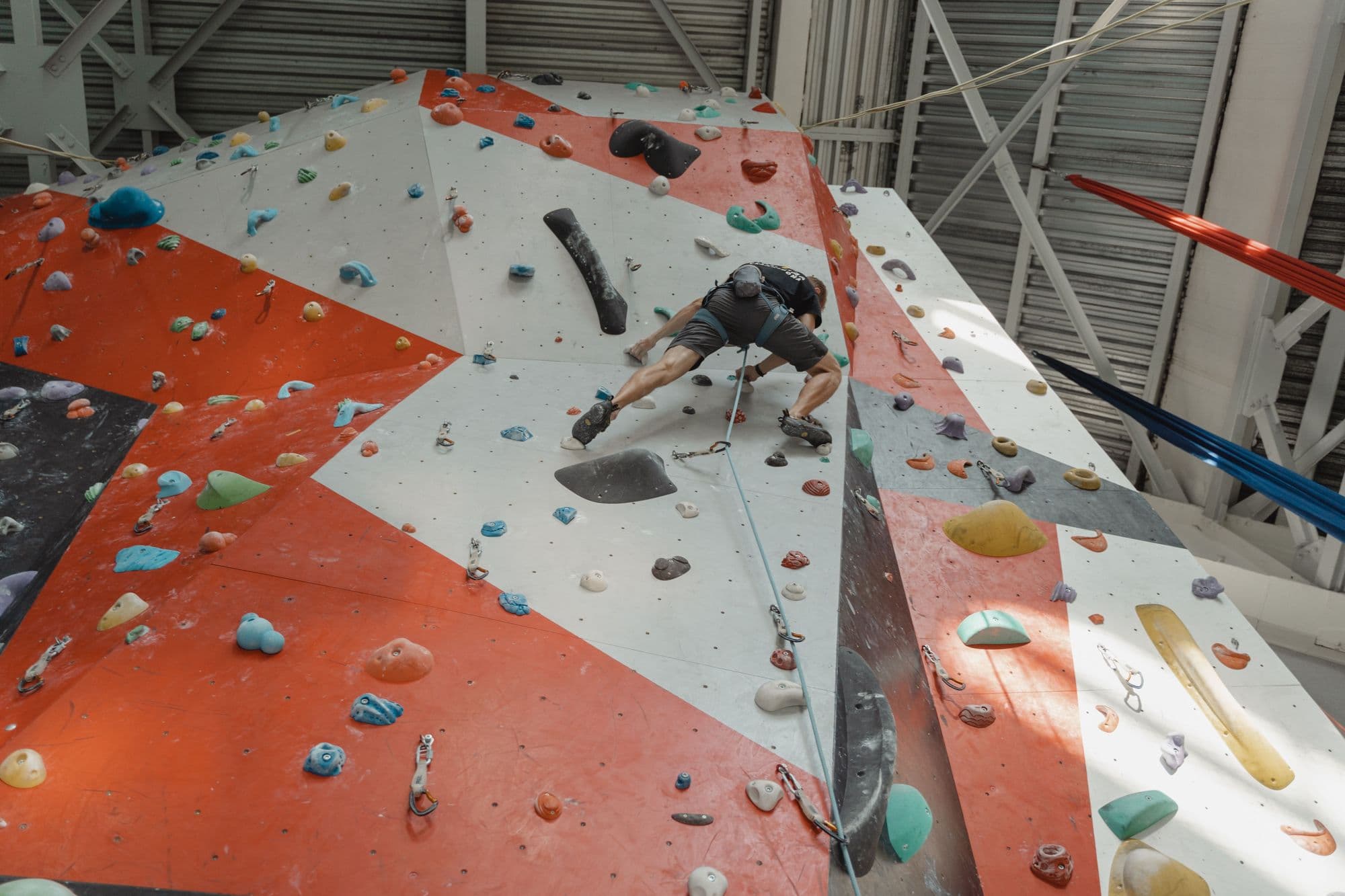
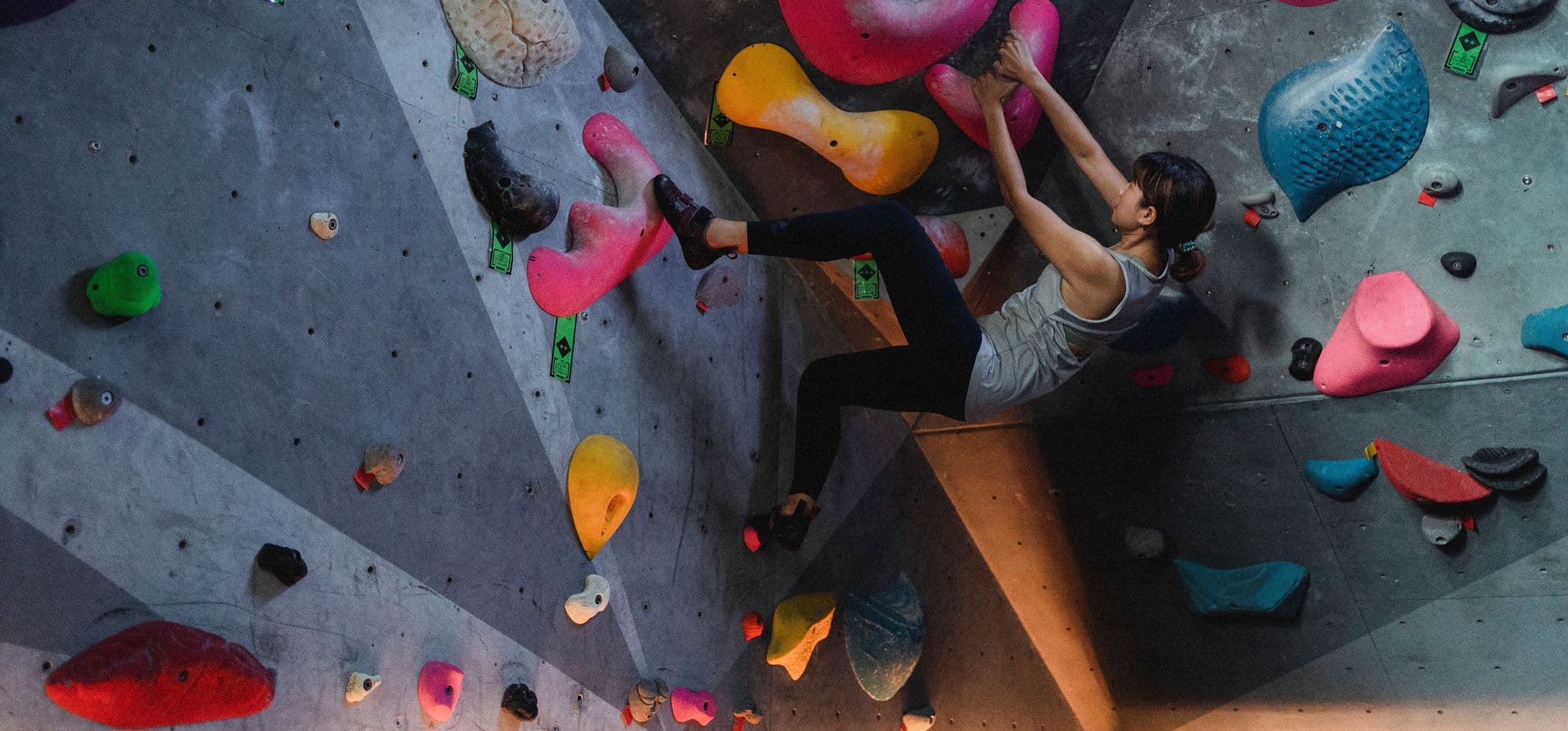
Most people take their first climbing steps on an indoor wall, not real rock. Walls offer two types of climbing:
- Bouldering. Short climbs, called problems, a few metres off the ground, with a thick mat to land on.
- Top-roping. Taller climbs on a rope that runs through an anchor at the top. Your partner on the ground, the belayer, holds the rope through a belay device and catches you if you slip.
An indoor wall is the best place to learn. Start with an intro session with a coach, so you learn to climb safely and keep your partner safe too. A taster usually lasts 90 minutes and costs around £20 to £30.
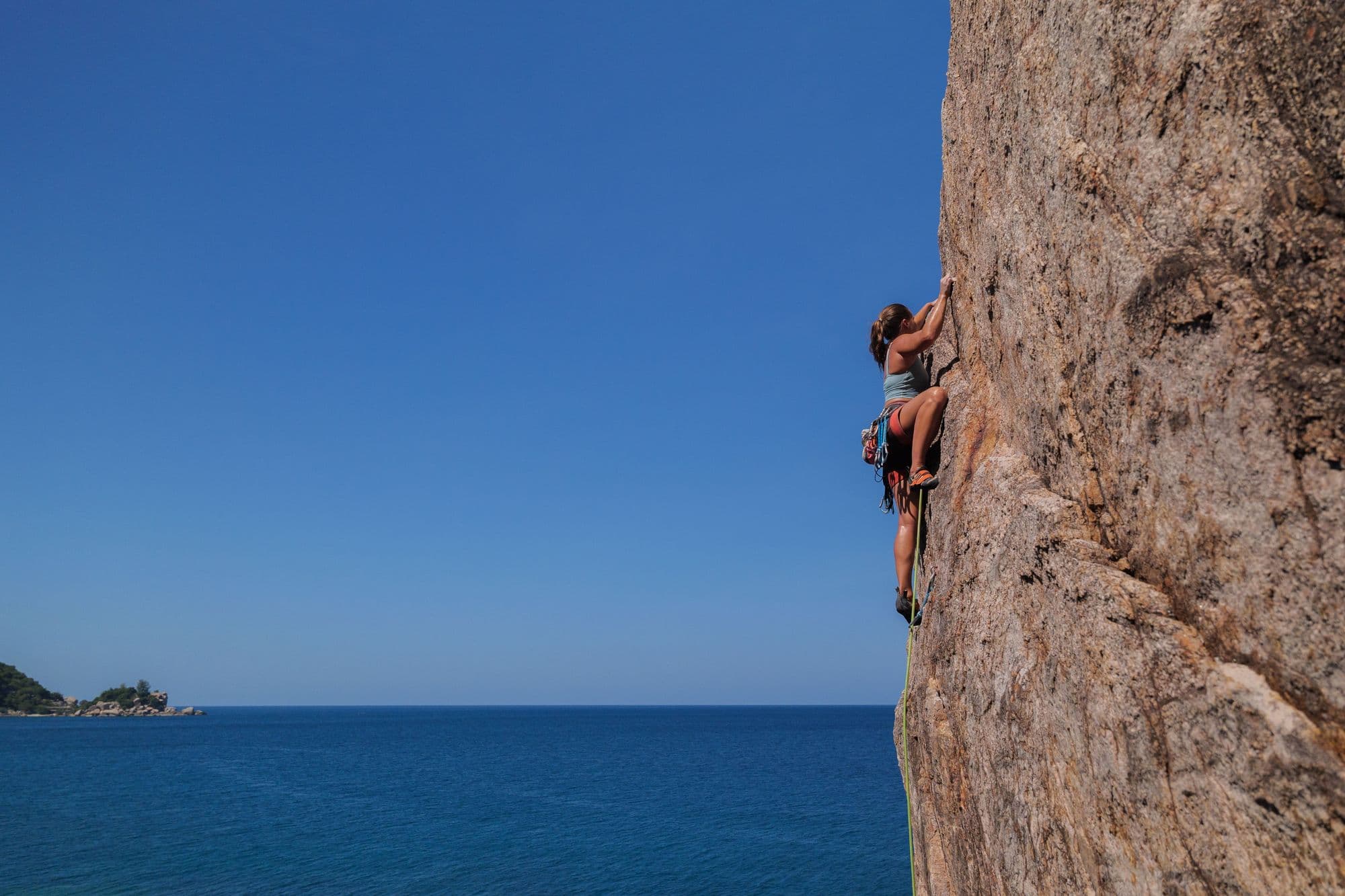
Once you're comfortable indoors, you can head outside, from gentle first climbs to some of the sheerest, most intense routes you can imagine.
Governing body: British Mountaineering Council (BMC) for England and Wales. Leader and instructor awards come from Mountain Training, and coasteering standards come from the National Coasteering Charter, so these are the official places to find out more.
Typical prices, checked October 2026. The club or coach sets and bills the price.
Ready to start? See how we match you with a qualified UK coach.
Ready to start mountaineering?
We match you with a qualified UK coach. Qualified coaches only.
Get matched with a coach